
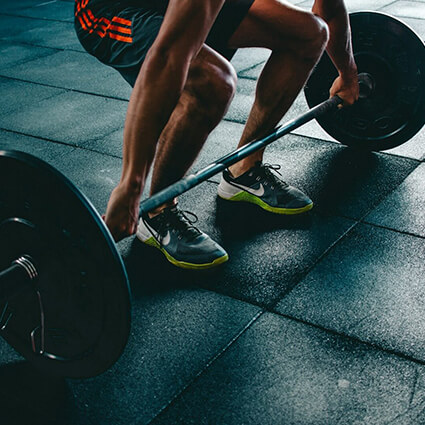
 There is a growing message, particularly on social media, that everyone “needs to lift weights” for healthy bones.
There is an important truth in this. Resistance training can be beneficial for bone health, muscle strength, physical confidence and long-term independence. This is especially relevant for women during perimenopause and menopause, when changes in oestrogen can contribute to more rapid bone loss.
However, weight training is not the only way to support healthy bones, and it is not always the most appropriate starting point for every person.
Bone health is shaped by a combination of loading, movement, nutrition, hormones, sleep, lifestyle, muscle strength, balance and fall risk. A helpful plan considers the whole person rather than relying on one type of exercise.
Why resistance training matters
Bone is living tissue. It responds to the forces placed upon it.
When we use weights, resistance bands, bodyweight exercises or gym machines, muscles pull on the bones to which they attach. This loading can help maintain, and in some cases improve, bone strength over time.
This matters because bone and muscle loss can both become more noticeable with age, inactivity, illness, under-fuelling and hormonal change.
For bone health, the goal is not necessarily to lift as heavily as possible. The goal is appropriate, progressive loading that is safe, technically sound and sustainable for the individual.
We generally recommend combining muscle-strengthening exercise with weight-bearing impact activity to help keep bones strong.
Weight-bearing and impact exercise matter too
Bone health is not built only in the gym.
Bones also respond to weight-bearing movement, particularly when the feet and legs take some of the body’s weight and experience varying levels of impact. Depending on your health, mobility and fracture risk, this may include:
- brisk walking
- hill walking
- stair climbing
- dancing
- jogging
- skipping
- hopping or jumping
- tennis, badminton or other court sports
- aerobics and other dynamic movement classes
The right amount and type of impact is individual. Someone who is active, pain-free and has no known fracture risk may tolerate higher-impact exercise. Someone with osteoporosis, previous fractures, spinal pain, poor balance or a fear of falling may need a more gradual and carefully adapted programme.
For many people, walking more regularly, taking the stairs or building confidence with low-impact exercise can be a meaningful and realistic starting point.
Bone health is also about reducing fracture risk
Bone density is important, but it is not the only factor that influences whether someone sustains a fracture.
Many fractures occur after a fall. Strength, balance, coordination, reaction time, gait confidence, vision, footwear and the home environment can all play a part.
A person with lower bone density who has good leg strength, balance and confidence in movement may be less likely to fall than someone with similar bone density who is unsteady or inactive.
A complete bone-health approach may therefore include:
- leg and hip strengthening
- balance training
- coordination exercises
- walking confidence and gait work
- spinal extensor and postural exercises, where appropriate
- mobility work for areas that are restricted or painful
- practical fall-prevention advice, including reducing trip hazards at home
For people with osteoporosis or fragility fractures, we recommend assessing falls risk and offering an exercise programme that improves balance and muscle strength where appropriate.
Nutrition provides the building blocks
 Exercise provides an important stimulus, but bones also require adequate nutrition.
Calcium contributes to bone structure, vitamin D supports calcium absorption, and protein is important for muscle and wider musculoskeletal health. Overall energy intake matters too: people who consistently under-eat, diet aggressively or have a low body weight may not be giving their bones and muscles what they need to adapt.
Useful dietary priorities include:
- adequate calcium from food, where possible
- vitamin D from safe sun exposure, food and supplementation where advised
- enough protein across the day
- sufficient overall energy intake for activity and recovery
- a varied diet rich in vegetables, fruit, wholegrains, pulses, nuts, seeds and protein-rich foods
A holistic bone-health plan should include regular exercise, adequate calcium and vitamin D intake, stopping smoking and limiting alcohol.
Supplements can be useful for some people, particularly where dietary intake is low or vitamin D deficiency is more likely. However, they are not automatically necessary for everyone and should be considered in the context of medical history, medications, kidney health, diet and any diagnosed bone condition.
Lifestyle also affects bone strength
Healthy bones are supported by more than exercise and nutrition.
Smoking is associated with poorer bone health, and higher alcohol intake can increase the risk of bone loss and falls. Sleep, stress, activity levels and recovery can also influence how well someone is able to train, maintain muscle and remain physically resilient.
It is also worth considering wider health factors, including thyroid disease, inflammatory conditions, digestive disorders that affect nutrient absorption, long-term steroid medication, early menopause, low body weight and a history of fragility fractures.
Why “just lift weights” can be unhelpful
 The issue is not weight training. It is a valuable tool.
The difficulty comes when it is presented as the only route to bone health. That message can feel discouraging for people who do not enjoy gyms, have pain, feel nervous around weights, are returning to movement after injury, or are managing osteoporosis or balance concerns.
There are many ways to begin.
For one person, this may be progressive strength training. For another, it may be a daily walking habit, stair climbing, resistance-band exercises, yoga that is appropriately adapted to their needs, a dance class, or a structured balance programme.
Yoga can support mobility, body awareness, balance and confidence in movement, but it should be adapted carefully for anyone with osteoporosis, vertebral fractures or a higher fracture risk.
The most useful plan is one that is safe, enjoyable enough to continue and progressed appropriately over time.
A broader, evidence-informed approach
A well-rounded bone-health plan may include:
Strength training
Weights, resistance bands, bodyweight exercises or machine-based training can help build and maintain muscle and provide useful loading for bone.
Weight-bearing and impact movement
Walking, stairs, dancing, jogging or jumping can provide valuable stimulus, adapted to fitness, symptoms and fracture risk.
Balance and coordination work
Improving balance and leg strength can reduce falls risk, which is central to fracture prevention.
Nutrition and recovery
Adequate protein, calcium, vitamin D and overall energy intake support bone and muscle adaptation.
Lifestyle support
Stopping smoking, limiting alcohol, staying active and addressing sleep or stress where possible can all contribute to long-term resilience.
Individual assessment
Pain, previous injury, osteoporosis, spinal fracture history, medication use, confidence and personal goals should shape the plan.
Weight training can be a powerful part of bone health, but it is not the whole story
Healthy bones are supported by regular and varied loading, sufficient nutrition, good muscle strength, balance, confidence in movement and sensible fall prevention.
Rather than asking, “Do I need to lift weights?”, a more useful question is:
What type of movement and loading is safe, realistic and appropriate for me at this stage of life?
At our clinic, we take an integrative approach. We consider your symptoms, movement patterns, lifestyle, confidence, health history and goals, then help you build a practical plan that supports both bone health and everyday function.